Arthur Fery’s Tennis Story Started Close to Wimbledon
For Arthur Fery, Wimbledon has never been just another tennis tournament.
It has always been home.
Born in Sèvres, France, in 2002, Fery moved to England as a baby and grew up in south-west London, close enough to the All England Club for Wimbledon to feel less like a distant dream and more like part of the local landscape. He went to King’s College School in Wimbledon, started playing tennis at the age of five, and developed in one of the most tennis-rich pockets of the country.
But one of the most important parts of his tennis upbringing was not only Wimbledon itself. It was Roehampton Club.
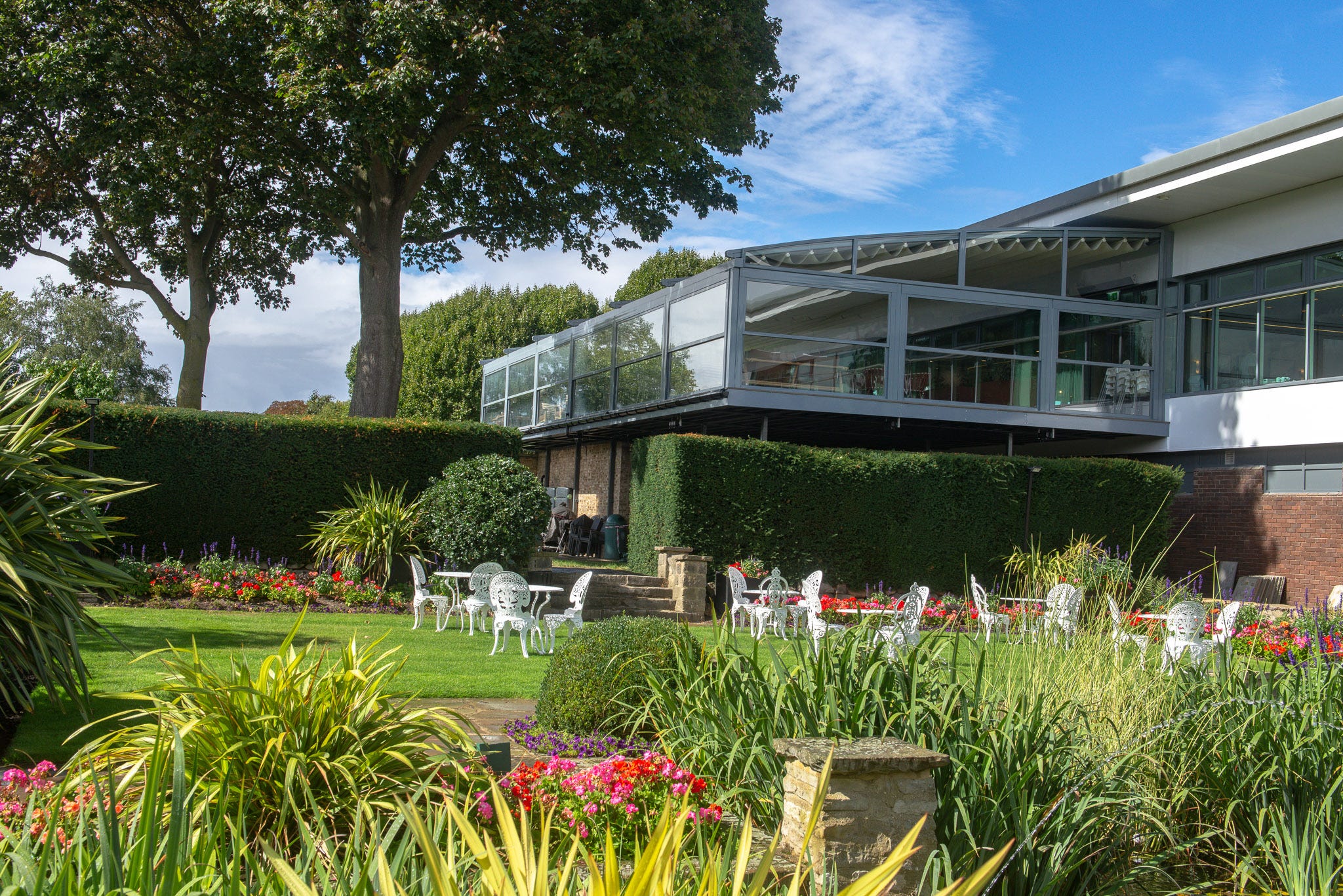
Roehampton Club has long been one of London’s strongest tennis environments. With grass courts, acrylic courts, synthetic clay courts, indoor courts, team competitions, social play and junior coaching, it offers the kind of all-year-round tennis culture that young players need if they are going to move from talented junior to serious competitor.
Fery was one of those players.
A Roehampton Club Player With a Different Path
What makes Fery’s story interesting is that he did not simply follow the most obvious route through British tennis.
In a 2021 interview with the Control the Controllables podcast, Fery explained that he preferred to avoid spending too much time inside the centralised LTA system and instead stay with the coaches and smaller club environments that had helped him improve. He specifically mentioned Roehampton Club as one of the places where he trained, alongside Westside.
That detail matters.
In British tennis, promising juniors can sometimes be pulled into national programmes, funding pathways, performance centres and all the noise that comes with being labelled “the next one.” Fery’s approach seemed more grounded. Stay local. Stay with trusted coaches. Keep improving away from the spotlight.
Roehampton Club gave him that kind of base: competitive enough to sharpen his game, but familiar enough to keep him connected to the environment that had already worked for him.
The Club itself has also recognised Fery as one of its members. Roehampton Club’s coaching materials reference nationally ranked players including Club Members Arthur Fery and Hannah Klugman, while the Club has celebrated Fery’s progress alongside other leading British players connected with Roehampton.
From Junior Promise to British No.1 Junior
By 2020, Fery was already one of the standout juniors in British tennis.
Roehampton Club reported that he had risen to No.12 in the world 18-and-under rankings after winning a Grade 1 singles title in Russia and finishing runner-up in the doubles. The same update described him as firmly the British No.1 junior player.
That kind of ranking does not happen by accident.
Fery was never the biggest player on court. At 5ft 9in, he has not had the obvious physical profile of many modern ATP players. His game had to be built differently: sharp timing, strong movement, a heavy forehand, a strong return game and the ability to compete without relying purely on size.
That may be part of why the Roehampton-style development environment suited him. Plenty of courts. Plenty of hitting. Plenty of match play. Less theatre. More work.
Stanford, Wimbledon and the Long Road Up
After his junior career, Fery took the American college route and joined Stanford University, one of the most prestigious programmes in US college tennis. He became a two-time ITA All-American and, in 2022, was ranked No.1 nationally in singles — Stanford’s first No.1 men’s singles player since Bob Bryan in 1998.
That college route helped him grow up away from the constant weekly grind of the lower-level professional tour. It gave him matches, structure, education and time.
Then came the professional climb.
Fery made his Grand Slam main draw debut at Wimbledon in 2023 as a wildcard, facing Daniil Medvedev in the first round. He later broke through further, earning his first tour-level win at Wimbledon in 2025 against Alexei Popyrin, making his Davis Cup debut for Great Britain that same year, and continuing to build momentum into 2026.
By 2026, his career had moved into a different gear. He qualified for the Australian Open main draw and stunned 20th seed Flavio Cobolli in the first round. He then qualified for the Miami Open main draw and reached his first ATP 500 quarter-final at Queen’s.
Why Roehampton Club Matters in the Arthur Fery Story
It would be too simple to say Roehampton Club “made” Arthur Fery. Tennis players are shaped by many things: family, coaching, school, competition, injuries, travel, luck, funding, temperament and thousands of unseen hours.
But Roehampton Club is clearly part of the story.
It was part of the local tennis ecosystem that surrounded him as he grew up. It was a training base. It was a place where he could develop outside the full glare of the national system. It was also a reminder that British tennis talent does not only come from one pathway.
Sometimes it comes from strong clubs.
From junior matchplay. From local courts. From coaches who know a player for years. From a player choosing the environment that works for him rather than the one that looks most prestigious from the outside.
That is the more interesting lesson.
Fery’s rise is not just a story about one talented player from Wimbledon. It is also a story about the importance of clubs like Roehampton in British tennis — places that sit between grassroots tennis and the elite game, giving ambitious young players the courts, competition and culture they need to keep going.
The Local Boy on the Big Stage
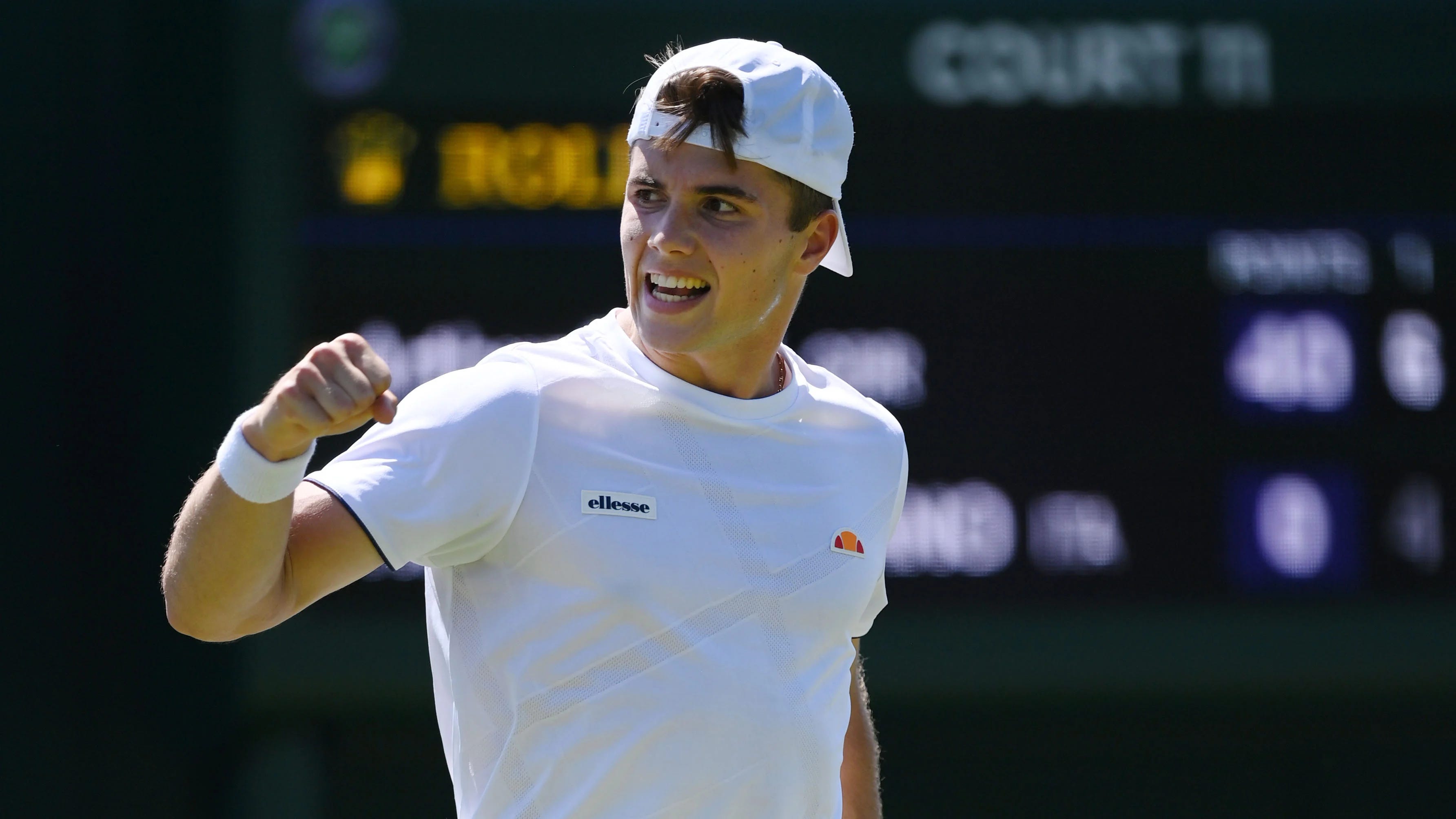
When Fery reached the second week of Wimbledon in 2026, the “local boy” angle was impossible to ignore.
The LTA described him as a Wimbledon local who grew up minutes from the All England Club. After his third-round win over Zizou Bergs, Fery said doing it at Wimbledon was special because it was his home tournament and the place where he grew up.
That run then became even bigger when he beat Grigor Dimitrov in five sets to reach the Wimbledon quarter-finals, having already survived another five-set epic against Bergs. Reuters described him as France-born and London-raised, while The Guardian captured the emotional pull of a player winning deep into the second week at the tournament he used to visit as a child.
For British tennis fans, it felt like a proper Wimbledon story.
For Roehampton Club, it was also a quiet reminder of what strong local tennis environments can produce.
Arthur Fery’s journey has taken him from south-west London courts to Stanford, Davis Cup, Grand Slam breakthroughs and Centre Court. But before all of that, there was the local base. The smaller clubs. The coaches. The familiar courts. The places where the real work gets done.
And Roehampton Club was one of them.